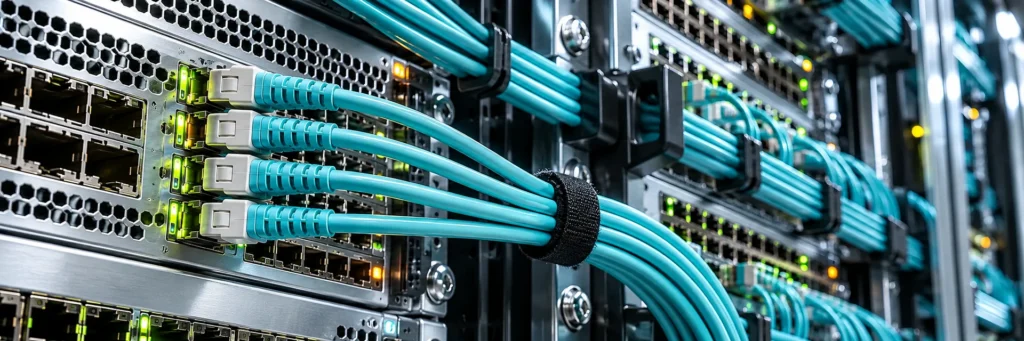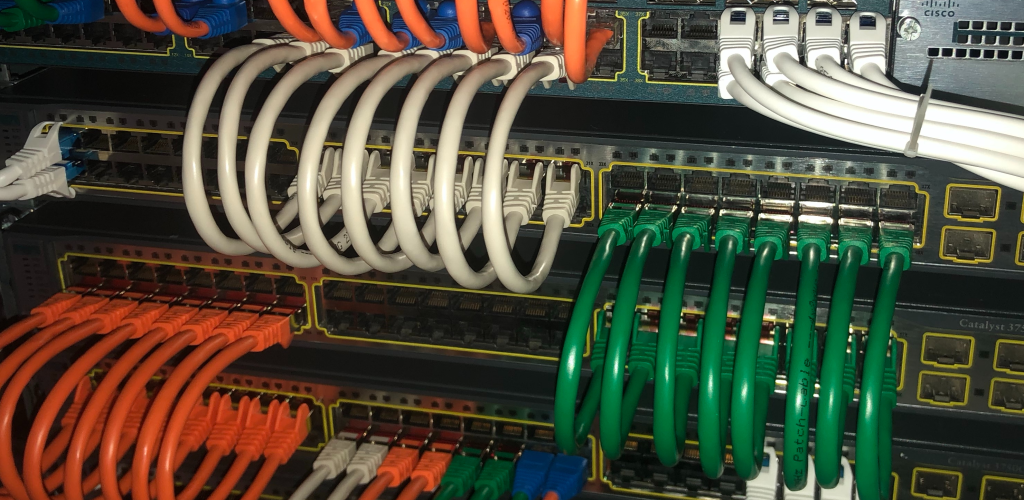

Cisco networking solutions are widely used across the healthcare industry, providing secure and efficient communication and data transfer within medical organizations. As healthcare relies more heavily on technology, reliable networking has become essential. Cisco offers a range of networking products and services built for the specific requirements of healthcare institutions, including hospitals, clinics, and medical research facilities.
These solutions support the secure transmission of patient information, real-time communication among healthcare professionals, and the growing fields of telemedicine and remote patient monitoring. With Cisco’s healthcare networking in place, medical organizations can run more efficiently, improve patient care, and meet strict data protection regulations.
Key Takeaways
- Cisco Networking plays a crucial role in connecting healthcare organizations and enabling efficient communication and data transfer.
- Secure and efficient networking solutions are essential in healthcare to ensure patient data privacy and seamless operations.
- Cisco Networking solutions offer benefits such as improved collaboration, enhanced patient care, and streamlined operations for healthcare organizations.
- Key features of Cisco Networking solutions for healthcare include advanced security measures, reliable connectivity, and scalability to accommodate growing data needs.
- Case studies demonstrate successful implementation of Cisco Networking in healthcare, leading to improved patient outcomes and operational efficiency.
Importance of Secure and Efficient Networking Solutions in Healthcare
Protecting Sensitive Patient Data
In the healthcare industry, the need for secure and efficient networking solutions cannot be overstated. Patient data is highly sensitive and must be protected from unauthorized access or breaches. Cisco networking solutions provide advanced security features, such as encryption, access control, and threat detection, to safeguard patient information and ensure compliance with healthcare regulations, such as HIPAA.
Enabling Efficient Communication
Efficient networking solutions are essential for enabling fast and reliable communication between healthcare professionals, which is critical for delivering timely and effective patient care.
Supporting Increasing Demands
With Cisco networking solutions, healthcare organizations can ensure that their network infrastructure can support the increasing demands for data transfer, telemedicine, and remote monitoring without compromising on security or performance.
Benefits of Cisco Networking Solutions for Healthcare Organizations

Cisco networking solutions offer several benefits for healthcare organizations. First, they provide a secure, reliable platform for sharing patient information and medical records among healthcare professionals, so critical data is accessible when and where it is needed. That supports better care coordination and better patient outcomes.
Cisco networking also supports telemedicine and remote patient monitoring programs, letting healthcare organizations extend their reach and provide care to patients in remote or underserved areas. These solutions also help organizations streamline their operations, reduce costs, and improve efficiency by centralizing network management and automating routine tasks.
Key Features of Cisco Networking Solutions for Healthcare
Cisco networking solutions for healthcare are designed around the specific needs of the industry, with a range of features that support secure, efficient communication and data transfer. These include advanced security capabilities, such as encryption, firewall protection, and intrusion prevention, to safeguard patient data and protect against cyber threats. Cisco networking also provides high-performance infrastructure to support the growing demands for data transfer and real-time communication within healthcare organizations.
These solutions also offer the scalability and flexibility to match the changing needs of healthcare organizations, so they can expand their network infrastructure as their requirements change.
Case Studies: Successful Implementation of Cisco Networking in Healthcare
Several healthcare organizations have deployed Cisco networking to improve their operations and patient care. For example, a large hospital network used Cisco’s secure networking infrastructure to enable secure access to electronic health records (EHR) from any location within the hospital, which improved care coordination and sped up decision-making. In another case, a rural clinic used Cisco’s telemedicine solution to connect with specialists in urban areas, letting it provide specialized care to patients without the need for travel.
These examples show the effect Cisco networking can have on healthcare organizations, helping them deliver better care and improve patient outcomes.
Challenges and Considerations in Implementing Cisco Networking Solutions in Healthcare

Ensuring Compliance with Healthcare Regulations
While Cisco networking solutions offer numerous benefits for healthcare organizations, there are also challenges and considerations that need to be addressed during implementation. One of the main challenges is ensuring compliance with healthcare regulations, such as HIPAA, which require strict security measures to protect patient data. Healthcare organizations must carefully evaluate the security features of Cisco networking solutions to ensure that they meet regulatory requirements.
Overcoming Integration Challenges
The complexity of healthcare environments, with diverse systems and devices, can pose integration challenges when implementing new networking solutions. It is important for healthcare organizations to work closely with experienced IT professionals to ensure a smooth transition and minimize disruptions to patient care.
Key Takeaways
Healthcare organizations need to weigh these challenges before rolling out Cisco networking solutions. By addressing compliance and integration up front, they can carry out an implementation that meets regulatory requirements and supports high-quality patient care.
Future Trends and Innovations in Cisco Networking for Healthcare
Cisco continues to develop networking solutions for the changing needs of healthcare. One trend is the growing use of Internet of Things (IoT) devices in healthcare, such as wearable health monitors and medical equipment with embedded sensors. Cisco is building networking solutions that can support the growing number of IoT devices while keeping security and reliability intact.
Another trend is the use of artificial intelligence (AI) and machine learning in healthcare, which draws on advanced networking to support data-intensive applications. Cisco is investing in AI-driven networking that can optimize performance and automate routine tasks, freeing healthcare professionals to focus on patient care. Cisco networking supports secure, efficient communication and data transfer within healthcare organizations, with benefits that include better care coordination, extended reach through telemedicine, and more streamlined operations.
There are challenges in implementing these solutions, but careful planning and collaboration with experienced IT professionals help healthcare organizations work through them. As IoT devices and AI-driven applications spread, Cisco continues to develop networking to match. With Cisco networking in place, healthcare organizations can improve patient care, run more efficiently, and keep pace with new technology.
If you’re interested in learning more about securing a Cisco network, you should check out the article “Securing a Cisco Network.” It offers useful tips for keeping your Cisco network secure, which matters for healthcare organizations that handle sensitive patient data.
FAQs
What is Cisco Networking for Healthcare?
Cisco Networking for Healthcare refers to the use of Cisco’s networking solutions and technologies to create secure and efficient network infrastructures for healthcare organizations. This includes networking hardware, software, and services designed specifically to meet the unique needs of the healthcare industry.
What are the benefits of Cisco Networking for Healthcare?
Some of the benefits of Cisco Networking for Healthcare include improved security and compliance with healthcare regulations, increased efficiency and productivity, enhanced communication and collaboration among healthcare professionals, and the ability to support advanced healthcare technologies such as telemedicine and electronic health records.
How does Cisco Networking for Healthcare improve security?
Cisco Networking for Healthcare improves security by providing advanced network security features such as firewalls, intrusion prevention systems, and secure access controls. These technologies help protect sensitive patient data and ensure compliance with healthcare privacy regulations such as HIPAA.
What specific solutions does Cisco offer for healthcare organizations?
Cisco offers a range of networking solutions tailored for healthcare organizations, including Cisco Catalyst switches, Cisco Meraki wireless access points, Cisco DNA Center for network management, and Cisco Umbrella for cloud security. These solutions are designed to provide reliable, secure, and scalable networking infrastructure for healthcare environments.
How does Cisco Networking for Healthcare support telemedicine?
Cisco Networking for Healthcare supports telemedicine by providing the network infrastructure needed to facilitate remote consultations, telemonitoring, and other telehealth services. This includes high-performance networking hardware and secure connectivity to ensure reliable and secure communication between healthcare providers and patients.
What are some examples of healthcare organizations using Cisco Networking solutions?
Many healthcare organizations around the world use Cisco Networking solutions, including hospitals, clinics, medical research facilities, and healthcare service providers. Examples of organizations using Cisco Networking for Healthcare include Kaiser Permanente, Mayo Clinic, and the National Health Service (NHS) in the UK.

Senior Network Engineer | CCNP Enterprise | CCIE Candidate
Trave Hurd is a senior network engineer with over a decade of experience designing and managing enterprise Cisco environments. Holding multiple Cisco and industry certifications, he writes about the full arc of a networking career, from passing your first exam to building the skills that get you to the top of the field.