Cisco Technology is changing the way healthcare works. Healthcare is being reshaped quickly. Ten years ago, it would have seemed almost impossible for hospitals, clinics, and care networks to change in the ways they are now being asked to. Patients expect more, regulations are harder to follow, and new technologies are arriving so quickly that the way care is delivered looks very different from how it used to.
Skilled doctors, current equipment, and well-run facilities are no longer enough on their own. Secure networks, smart systems, and reliable communication platforms are what make modern medicine work. Technology now has a direct effect on how well care is given, how well medical teams work together, and how safely patient data is stored.
Cisco, a long-time leader in networking and IT solutions, has become a key partner for healthcare organizations going through this change. The company’s approach goes beyond selling hardware. It builds secure, reliable, and flexible networks that connect all parts of the healthcare system, from big city hospitals to small rural clinics.
Meeting Modern Healthcare Challenges
Healthcare today has problems that need both short-term fixes and long-term plans. The amount of medical data being created and stored every day is growing at a remarkable rate. Every scan, lab result, patient note, and monitoring reading needs to be stored, processed, and sent securely, often in real time. Patients’ preferences for how they want to receive care have also changed. Virtual visits, remote diagnostics, and ongoing monitoring are no longer nice-to-haves; they are becoming standard expectations.
This change also raises the stakes on security. Cybercriminals know that medical systems can’t afford downtime, so healthcare is one of the most targeted industries. A ransomware attack on a hospital doesn’t just put the hospital’s money at risk; it can put patients’ safety at risk. The Internet of Medical Things (IoMT) has also brought thousands of connected devices into hospitals and clinics. Each device makes care better in some way, but if they aren’t managed correctly, they can become a security risk.
Building a Reliable, Flexible Technology Foundation
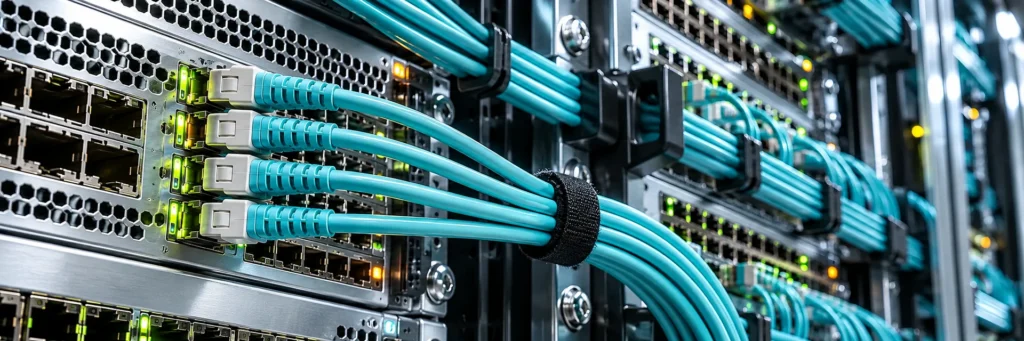
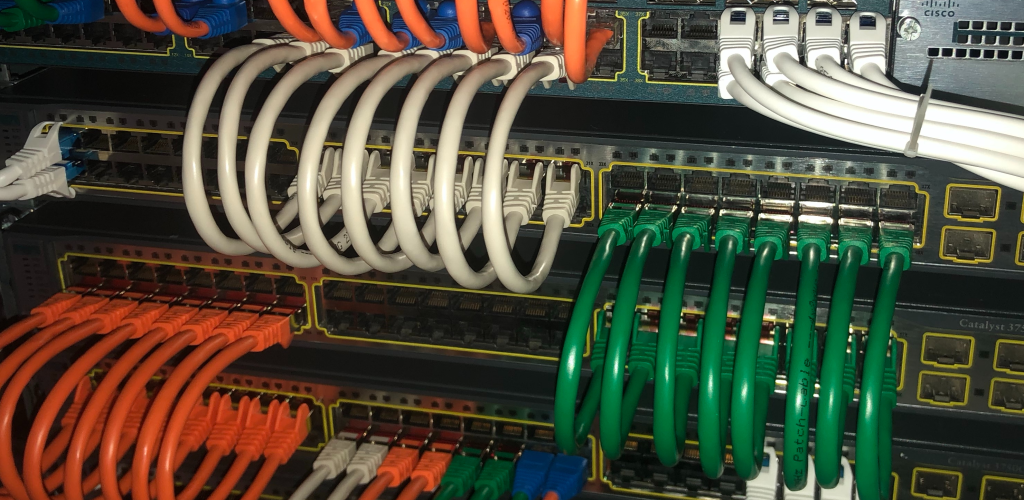
Cisco addresses these problems with a technology ecosystem that is both reliable and flexible. A network foundation that guarantees uptime sits at the center of it. In healthcare, there is no room for downtime. Cisco’s Catalyst switches, Nexus data center platforms, and Meraki cloud-managed networks keep things running by giving priority to critical medical applications. That way, network congestion never gets in the way of patient care. It is especially useful for healthcare systems with many facilities spread across large areas, which can manage these solutions from one place.
Cisco also makes a difference in communication and teamwork. Medical professionals can connect in real time through secure video, messaging, and file sharing on the company’s Webex platform. That matters for daily care team meetings, consultations with specialists, and even virtual grand rounds. Hospitals can make video consultations a normal part of care by connecting Webex to electronic health record systems, which keeps everything joined up in a safe and compliant way.
Security at the Core
All of these features rest on security. Cisco’s healthcare security solutions are built to hold off both outside threats, like ransomware, and inside threats, like people accessing patient data without permission. Multi-factor authentication, network segmentation, and advanced threat detection tools work together to make a breach less likely. Cisco’s Identity Services Engine can identify each connected medical device, keep an eye on what it’s doing, and separate it from the rest of the network if it starts acting strangely.
Advancing Telehealth
Telehealth is one of the clearest places where Cisco has had an effect. Even in areas with poor internet infrastructure, the company has made it possible for healthcare providers to deliver high-quality virtual care. Webex uses strong encryption and follows privacy rules, so it can send clear audio and video. A patient in a rural area can see a top specialist who is hundreds of miles away without having to travel, which saves time, money, and stress. It also lets specialist teams in hospitals work together from different places, reviewing imaging, lab results, and patient charts at the same time.
Expanding the Role of IoMT
The Internet of Medical Things is becoming more important too. Medical devices are now often built to send data automatically to hospital systems, which lets doctors know when a patient’s condition changes. This can include anything from bedside monitors in an ICU to wearable devices that track heart rhythms at home. Cisco’s networking tools keep these devices connected, and its security tools keep the data they send safe. Real-time data transmission can save lives when every second counts.
Protecting Patient Data
Protecting patient data is both a legal and a moral obligation. Cisco supports a “Zero Trust” security model, which assumes that no device or user is automatically trusted, even one already on the network. Every attempt to reach sensitive data has to be verified. VPNs and multi-factor authentication keep remote access safe, so doctors and staff can work from outside the hospital without putting patient information at risk. Cisco’s SecureX platform pulls together data from many security tools, giving IT teams a single view of possible threats so they can act quickly.
Real-World Impact
You can see how these technologies work in practice. Cisco’s Meraki systems have helped large hospital networks simplify IT management across many sites, which has increased uptime and freed staff to work on projects that focus more on patients. Rural clinics have started using Webex to connect patients with specialists without long trips, cutting missed appointments and improving continuity of care. By separating medical devices from other parts of the network, regional hospitals have improved their IoMT security, lowering the risk that a single device becomes the entry point for a major attack.
Looking Toward the Future
Combining AI and automation will take healthcare further still. AI tools, working with Cisco’s network data, could help spot device failures, flag unusual network patterns that might signal a cyber threat, or catch early warning signs in patient health data. Automated systems could respond to security threats fast by cutting off compromised devices or blocking suspicious traffic before a person has to step in. Hospitals could use predictive analytics to reduce readmissions, improve outcomes, and run more smoothly.
The future of healthcare will depend on how well technology is woven into every part of care delivery. Cisco is helping shape that direction by providing systems that are safe, reliable, and flexible, letting healthcare organizations meet today’s needs while getting ready for tomorrow’s problems.
Cisco has become an important part of keeping modern healthcare connected, safe, and ready to deliver good care. It powers telehealth visits in small towns and protects thousands of medical devices in big hospitals. In an industry where every second counts, having a partner who can keep the technology running smoothly and safely matters more than ever.

Network Professional | CCNA Certified
Ashley Miller is a 35-year-old networking professional with a proven foundation in Cisco technologies. She is CCNA certified and currently advancing her expertise by working toward the Cisco Certified Network Professional (CCNP) certification. With a passion for designing and maintaining efficient, secure network infrastructures, Ashley brings both technical skill and real-world experience to every project.