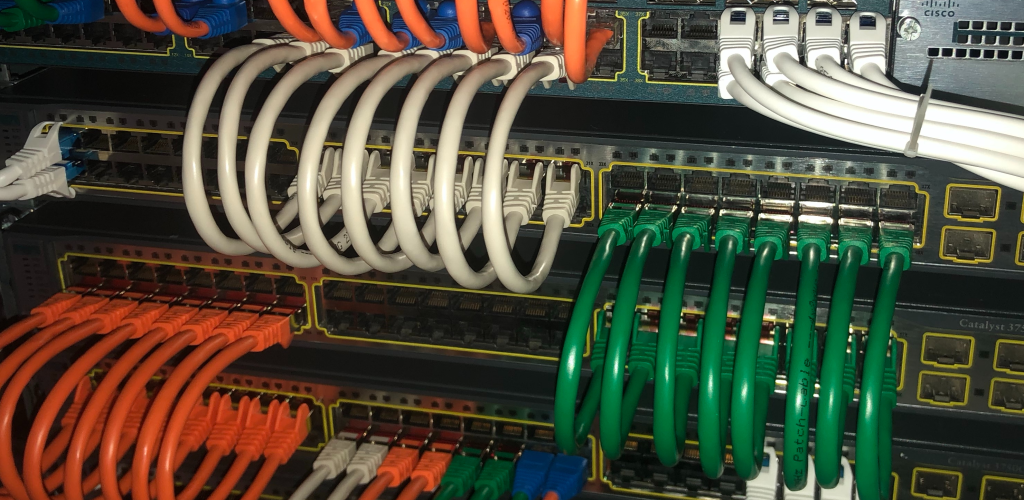

Cisco Systems, Inc. is a global technology company that builds networking hardware, software, and telecommunications equipment. Its products run through much of the networking industry, which puts Cisco at the front of the field. To make sure professionals can actually work with that gear, the company runs a full certification program. The Cisco Networking Certification program validates skills across areas like routing and switching, security, and wireless, and it’s respected worldwide as a yardstick for networking professionals.
Key Takeaways
- Cisco Networking Certification is a valuable credential for IT professionals looking to advance their careers in networking.
- Obtaining a Cisco Networking Certification can lead to increased job opportunities and higher earning potential.
- Cisco offers different levels of certification, including Entry, Associate, Professional, Expert, and Architect levels.
- To prepare for the Cisco Networking Certification exam, candidates can take advantage of study materials, practice tests, and training courses offered by Cisco.
- Individuals with a Cisco Networking Certification can pursue career opportunities as network administrators, network engineers, and network security specialists, among others.
Benefits of Obtaining a Cisco Networking Certification
A Cisco Networking Certification opens up a lot of ground for networking professionals. The first thing it does is confirm your skills with Cisco’s products, which builds credibility and recognition in the industry and can move your career forward. It also gives you an edge when you’re up against other candidates, since plenty of employers favor people who hold the certification because of its reputation for high standards. On top of that, certified professionals often get access to networking events, resources, and job leads through Cisco’s network of partners and customers.
The certification tends to help on pay as well. Cisco reports that people with a Cisco Certified Network Associate (CCNA) certification can earn up to 10% more than their uncertified peers, and the effect grows with higher-level credentials like the Cisco Certified Network Professional (CCNP) and Cisco Certified Internetwork Expert (CCIE). Certified professionals also tend to land the specialized roles and projects that call for particular expertise in Cisco’s technologies, which does more for their prospects still.
Different Levels of Cisco Networking Certification
Cisco’s certification program runs at several levels, so there’s a fit whatever your experience. The entry point is the Cisco Certified Entry Networking Technician (CCENT), which covers the skills for entry-level network support roles. A step up is the Cisco Certified Network Associate (CCNA), a more advanced credential that shows you can install, configure, operate, and troubleshoot medium-sized routed and switched networks.
Further along, the Cisco Certified Network Professional (CCNP) is for people with deeper skills, covering the ability to plan, implement, secure, maintain, and troubleshoot converged enterprise networks. At the top sits the Cisco Certified Internetwork Expert (CCIE), one of the most prestigious certifications in the industry. It confirms expert-level networking skill and is exactly what employers look for when they’re hunting for top talent.
How to Prepare for the Cisco Networking Certification Exam
| Study Material | Practice Tests | Lab Practice |
|---|---|---|
| Cisco Official Cert Guide | Boson Cisco Practice Exams | Packet Tracer Simulations |
| Online Courses | Cisco Learning Labs | GNS3 Network Emulator |
| Study Groups/Forums | MeasureUp Practice Tests | Real Equipment Practice |
Preparing for a Cisco exam takes time and steady effort. A good starting point is Cisco’s own resources, official training courses, study guides, practice exams, and virtual labs, which are built to cover the exam topics and give you the skills to pass.
Alongside those, self-study materials such as books, online tutorials, and study groups fill in the gaps and reinforce the concepts from another angle. Hands-on time matters just as much, so work through practical exercises and real-world scenarios to see how the ideas hold up in practice rather than only on the page.
It also helps to write out a study plan that sets your goals, your schedule, and the resources you’ll use, which keeps your preparation organized and focused. From there it’s a matter of sticking with it, since a Cisco certification is earned through persistence more than anything else.
Career Opportunities with a Cisco Networking Certification
A Cisco Networking Certification puts a wide range of roles within reach. Common ones include network administrator, network engineer, systems engineer, network security specialist, and wireless network engineer, and they generally involve designing, building, maintaining, and troubleshooting network infrastructure with Cisco products.
Certified professionals work across plenty of industries too, from technology companies and telecom providers to financial institutions, healthcare organizations, and government agencies. Some go independent, taking on consulting or contract work to deliver specialized networking services to clients.
The certification can also lead to focused roles that demand expertise in a particular area, such as cloud networking, cybersecurity, or data center networking. Those specialized positions tend to bring their own challenges and their own room to grow.
Success Stories of Individuals with Cisco Networking Certification

Plenty of people have used a Cisco Networking Certification to take a real step up in their careers. Take John Smith, a network engineer with more than ten years in the field, who earned his CCIE and moved into a senior network architect role at a major technology company. His skill at designing complex Cisco-based solutions let him reshape his organization’s infrastructure and lead projects that lifted both performance and security.
Sarah Johnson followed a different route. She started as a network administrator after passing her CCNA, then kept building, adding her CCNP and eventually her CCIE. With that expert-level knowledge, she stepped into a leadership role as a network operations manager at a global telecom company, running the operations team and keeping the network stable and performing.
Stories like these show what the certification can lead to, whether that’s a senior role, a high-impact project, or a genuine mark left on an organization’s infrastructure.
Conclusion and Next Steps for Obtaining Cisco Networking Certification
A Cisco Networking Certification can reshape a networking career and prove your skill with Cisco’s products. The upside is real: more credibility, better pay, access to opportunities that stay closed to others, and a path into specialized roles. With several levels to choose from, you can pick the one that lines up with your skills and where you want to go.
If you’re weighing it up, the next move is to prepare thoroughly, using Cisco’s own resources alongside self-study materials, and to write a study plan you’ll actually stick to. Once you’re certified, the roles open up, and you can start working toward whatever you set your sights on next.
A Cisco Networking Certification is an investment in your career, one that can pay off in leadership roles, demanding projects, and the chance to make a mark on the networks you build and run.
FAQs
What is a Cisco Networking Certification?
A Cisco Networking Certification is a professional certification program offered by Cisco Systems, Inc. It validates the skills and knowledge of individuals in various networking technologies and solutions.
What are the different levels of Cisco Networking Certifications?
Cisco offers certifications at different levels, including Entry, Associate, Professional, Expert, and Architect. Each level represents a different stage of expertise and knowledge in networking technologies.
What are the benefits of obtaining a Cisco Networking Certification?
Obtaining a Cisco Networking Certification can lead to career advancement, increased job opportunities, higher earning potential, and recognition of expertise in the field of networking.
What are some popular Cisco Networking Certifications?
Some popular Cisco Networking Certifications include CCNA (Cisco Certified Network Associate), CCNP (Cisco Certified Network Professional), and CCIE (Cisco Certified Internetwork Expert).
How can I prepare for a Cisco Networking Certification exam?
You can prepare for a Cisco Networking Certification exam by taking training courses, studying official Cisco certification guides, practicing with hands-on labs, and using practice exams to test your knowledge.
Are there any prerequisites for obtaining a Cisco Networking Certification?
Some Cisco Networking Certifications may have prerequisites, such as having a certain level of experience or holding a lower-level Cisco certification. It is important to review the specific requirements for each certification.

Senior Network Engineer | CCNP Enterprise | CCIE Candidate
Trave Hurd is a senior network engineer with over a decade of experience designing and managing enterprise Cisco environments. Holding multiple Cisco and industry certifications, he writes about the full arc of a networking career, from passing your first exam to building the skills that get you to the top of the field.