
Cisco Systems, Inc. is a global provider of networking hardware, software, and services. The company produces a wide range of networking products used by businesses, organizations, and individuals worldwide.
Cisco’s hardware includes routers, switches, firewalls, access points, and other devices that form the foundation of modern computer networks. These products are built to deliver reliable and secure connectivity, carrying data, applications, and services across local area networks (LANs), wide area networks (WANs), and the internet. Cisco networking hardware is known for its performance, scalability, and features that address the varied requirements of different businesses and industries.
Cisco offers hardware for small office networks as well as large enterprise infrastructures. The company keeps a strong focus on new technology, steadily advancing what its networking hardware can do and holding its position among the leaders in the field.
Key Takeaways
- Cisco Networking Hardware is essential for building and maintaining a reliable network infrastructure.
- Cisco Routers are specialized hardware devices that connect multiple computer networks together and route data to its destination.
- Cisco Switches are used to connect multiple devices within a local area network (LAN) and manage the traffic between them.
- Other essential networking hardware from Cisco includes firewalls, wireless access points, and network security appliances.
- When comparing Cisco Networking Hardware with competitors, consider factors such as performance, reliability, and scalability.
Understanding Cisco Routers
Key Features and Versatility
One of the key features of Cisco routers is their support for various network protocols and technologies, including IP routing, virtual private networks (VPNs), Quality of Service (QoS), and more. This makes Cisco routers a fit for a wide range of applications, from small office setups to large-scale enterprise deployments. Cisco also offers a range of router models to match different performance requirements and budgets, so customers can find the right solution for their needs.
Advanced Security Features
For security, Cisco routers include firewall capabilities, intrusion prevention systems (IPS), and other features that protect networks from cyber threats and unauthorized access. These measures are important for safeguarding sensitive data and keeping network communications intact.
Reliable and Secure Connectivity
Cisco routers are a critical component of any modern network infrastructure, providing the foundation for reliable and secure connectivity.
Cisco Switches
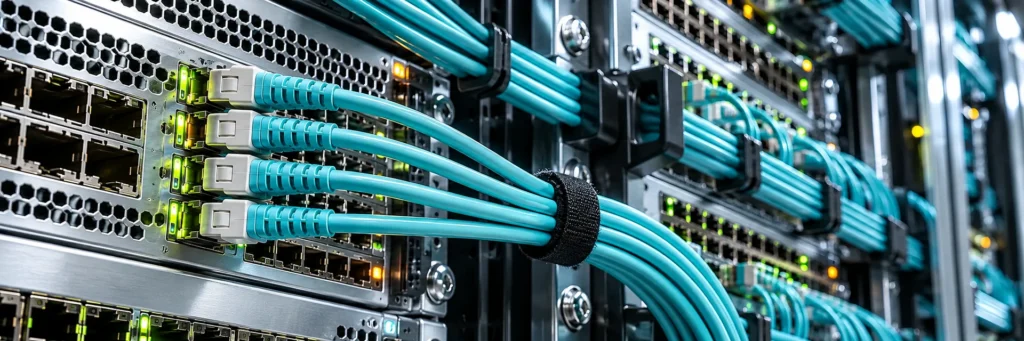
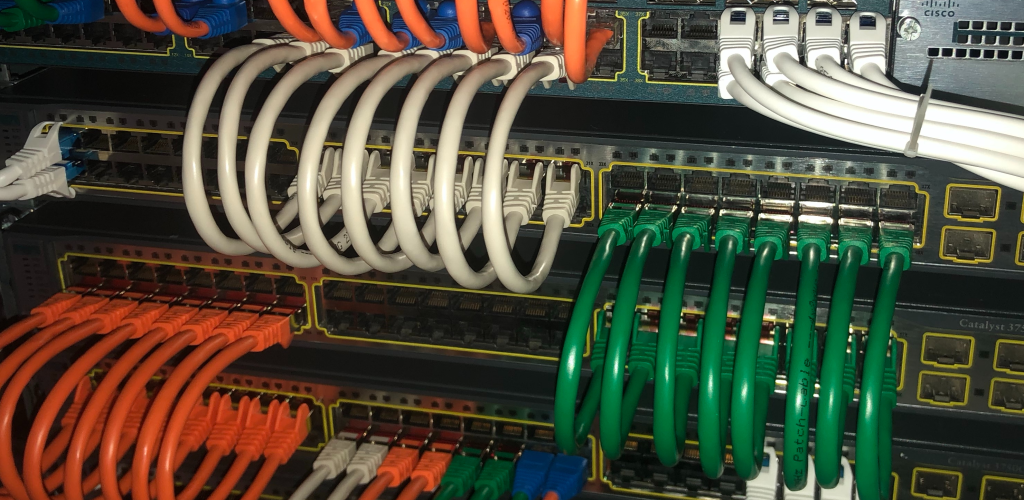
Cisco switches are another core hardware component, connecting devices within a local network. They forward data packets to their intended destinations based on MAC addresses, enabling communication between computers, servers, printers, and other networked devices. Cisco switches are designed for high-speed connectivity, low latency, and features that improve network performance.
One advantage of Cisco switches is their support for various network technologies, such as Ethernet, Gigabit Ethernet, and 10 Gigabit Ethernet, which allows flexible connectivity based on the network’s requirements. Cisco switches also offer features such as VLAN support, Quality of Service (QoS), Power over Ethernet (PoE), and Layer 3 routing, making them a fit for a wide range of applications. For scalability, Cisco switches come in a variety of models and configurations to accommodate different network sizes and performance needs.
Whether it’s a small office network or a large enterprise deployment, Cisco offers switches that scale to meet the demands of modern networking. Cisco switches are also known for their reliability, providing a stable foundation for network connectivity.
Other Essential Networking Hardware from Cisco
Beyond routers and switches, Cisco offers other networking hardware that rounds out its product portfolio. These include firewalls, access points, network security appliances, and network management tools designed to improve the functionality and security of modern computer networks. Cisco firewalls protect networks from cyber threats and unauthorized access by monitoring and controlling incoming and outgoing traffic.
These devices provide security features such as stateful packet inspection, intrusion prevention, and virtual private network (VPN) support to safeguard sensitive data and keep network communications intact. Cisco access points provide wireless connectivity within a local network, letting users reach network resources and services without physical cabling. They are designed for high-speed wireless connectivity, seamless roaming, and security features that meet the demands of modern wireless networks.
Cisco also offers network security appliances that protect against cyber threats including malware, ransomware, and phishing attacks. These appliances deliver threat detection and prevention capabilities that keep networks secure and resilient as threats evolve. Cisco also provides network management tools that let administrators monitor, configure, and troubleshoot network devices from a central interface.
These tools offer features such as network monitoring, configuration management, performance optimization, and security policy enforcement, helping administrators maintain the health of their infrastructure.
Comparing Cisco Networking Hardware with Competitors
When comparing Cisco networking hardware with competitors, several factors set Cisco’s products apart. One of the main advantages is its reputation for reliability. Cisco has established itself as a trusted provider of networking solutions, with a track record of delivering quality products that meet the demands of modern networking.
For performance and scalability, Cisco offers a wide range of models and configurations to accommodate different network sizes and performance needs. Whether it’s routers, switches, firewalls, or access points, Cisco provides solutions that scale from small office networks to large enterprise deployments. That range means customers can find the right hardware for their needs without compromising on performance or functionality.
Another advantage is a broad feature set that covers the varied needs of modern computer networks. Whether it’s security capabilities, intelligent routing features, or wireless connectivity options, Cisco’s products are designed to deliver features that improve network performance and functionality. Cisco’s ongoing investment in new technology also separates its hardware from competitors, with products that stay near the front of the field in performance, security, and reliability.
Tips for Choosing the Right Cisco Networking Hardware

Assessing Current and Future Networking Requirements
Start by evaluating your current networking requirements and future growth projections to determine the scalability and performance your infrastructure needs. This helps you identify the right hardware from Cisco, whether it’s for a small office setup or a large enterprise deployment.
Security Considerations
Next, consider the security requirements of your infrastructure and choose Cisco hardware with features such as firewalls, intrusion prevention systems (IPS), virtual private networks (VPNs), and other measures. Protecting sensitive data and keeping communications intact matters given today’s threats, so security is a critical consideration when choosing networking hardware.
Evaluating Features and Budget Constraints
Also evaluate the feature set of Cisco networking hardware to make sure it aligns with your specific requirements. This includes advanced routing capabilities, wireless connectivity options, or management tools. Understanding the feature set helps you identify the right hardware to improve network performance and functionality. Finally, consider your budget and choose Cisco hardware that offers the right balance of performance, scalability, and features within it.
The Future of Cisco Networking Hardware
As technology continues to shape networking infrastructure, Cisco keeps developing networking hardware with a focus on reliability, performance, security, and scalability, meeting the needs of businesses and organizations around the world. Looking ahead, Cisco hardware is set for further work in areas such as cloud connectivity, software-defined networking (SDN), internet of things (IoT) integration, and advanced security.
As businesses adopt digital transformation and depend on reliable network infrastructure, Cisco is positioned to deliver hardware that fits modern networking environments. With a portfolio of routers, switches, firewalls, access points, and other networking hardware, Cisco supplies the equipment businesses and organizations rely on for reliable and secure connectivity, and it continues to develop products that keep pace with the field.
If you’re interested in learning more about Cisco’s newer routers and where they fit in current networking, take a look at the article “Exploring the Frontier: Cisco’s New Routers Revolutionize Networking” on CCNA Training’s website. It offers detail on recent advances in Cisco’s networking hardware and how they shape current networking. (source) For more information on Cisco networking and training, visit CCNA Training or contact them here.
FAQs
What is Cisco’s networking hardware?
Cisco’s networking hardware refers to the various devices and equipment produced by Cisco Systems for building and maintaining computer networks. This includes routers, switches, firewalls, wireless access points, and other networking devices.
What is the role of routers in a network?
Routers are networking devices that forward data packets between computer networks. They are responsible for determining the best path for data to travel and ensuring that it reaches its intended destination.
What is the role of switches in a network?
Switches are networking devices that connect multiple devices within a local area network (LAN). They use MAC addresses to forward data to the correct destination within the network.
What are some of the key features of Cisco’s routers?
Cisco’s routers are known for their advanced security features, high performance, and support for various networking protocols. They also offer scalability and flexibility to accommodate the needs of different network environments.
What are some of the key features of Cisco’s switches?
Cisco’s switches are known for their high port density, advanced quality of service (QoS) capabilities, and support for virtual LANs (VLANs). They also offer advanced security features and management capabilities.
What are some other networking hardware products offered by Cisco?
In addition to routers and switches, Cisco also offers a range of other networking hardware products, including firewalls, wireless access points, network security appliances, and network management tools. These products are designed to provide comprehensive solutions for building and securing computer networks.

Senior Network Engineer | CCNP Enterprise | CCIE Candidate
Trave Hurd is a senior network engineer with over a decade of experience designing and managing enterprise Cisco environments. Holding multiple Cisco and industry certifications, he writes about the full arc of a networking career, from passing your first exam to building the skills that get you to the top of the field.