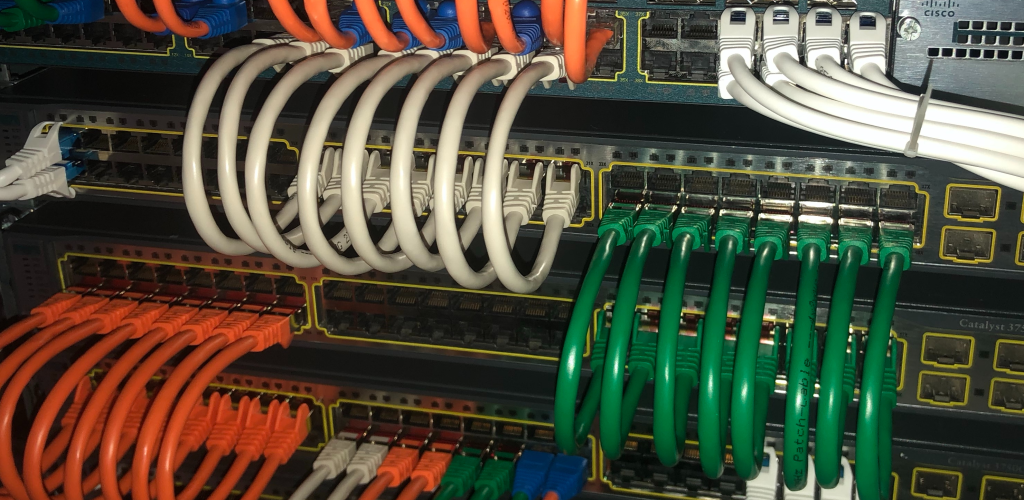

Network engineers keep the systems a business depends on running from one hour to the next. With a Cisco Certified Network Associate (CCNA) certification, these professionals have the knowledge to manage, troubleshoot, and optimize complex networks. Here’s an inside look at the daily routine of a CCNA-certified network engineer, from monitoring systems to troubleshooting and documentation.
Morning: Proactive Monitoring and Daily Checks
7:00 AM – 8:00 AM: Early Bird Routine
The day begins early for network engineers. The first task is to review overnight logs and alerts using tools like SolarWinds or Nagios. This proactive monitoring catches anomalies in the network, such as unusual traffic patterns or system downtimes, before users notice.
8:00 AM – 9:00 AM: Daily Stand-Up Meeting
A quick stand-up meeting with the IT team follows. These meetings provide an opportunity to discuss any ongoing projects, review issues from the previous day, and prioritize the day’s work. It’s also a chance to update colleagues on any critical patches or upgrades made to network infrastructure.
Mid-Morning: Troubleshooting and Problem Resolution
9:00 AM – 11:00 AM: Issue Troubleshooting
After the stand-up, it’s time to work through any issues that have been reported. This could be anything from a user reporting that they can’t connect to the VPN to tracking down the root cause of intermittent network outages. Armed with tools like Wireshark for packet analysis and Cisco’s CLI, the network engineer works methodically to diagnose and resolve the issue.
11:00 AM – 12:00 PM: Configuration and Maintenance
Once the initial fire-fighting is over, mid-morning is often dedicated to routine maintenance tasks. This could involve configuring switches and routers, updating firewall settings, or rolling out network policy changes. The aim is always the same: ensure the network runs efficiently and securely.
Afternoon: Project Work and Documentation
12:00 PM – 1:00 PM: Lunch Break
Lunch is a necessary break in an otherwise intense day. Whether it’s spent catching up with colleagues or simply enjoying a moment of quiet, a mental reset helps gear up for the afternoon’s projects.
1:00 PM – 3:00 PM: Project Work
The afternoon is usually reserved for bigger projects like upgrading network infrastructure or planning the architecture for a new branch office. The network engineer might spend this time designing a VLAN setup, configuring routing protocols such as OSPF, or testing out new technologies in a lab environment before implementing them live.
3:00 PM – 4:00 PM: Documentation
Proper documentation is critical in network engineering. Whether it’s updating network topology diagrams, logging changes to device configurations, or keeping track of firewall rules, accurate documentation keeps everyone on the team on the same page. Tools like Microsoft Visio are often used to visualize network designs, and engineers update them as configurations evolve.
Late Afternoon: User Support and Wrap-Up
4:00 PM – 5:00 PM: User Support
As the day winds down, network engineers often spend time assisting end-users with connectivity or access issues. Walking employees through network security best practices or resolving helpdesk tickets keeps the company’s day-to-day operations moving.
5:00 PM – 6:00 PM: Final Checks and Wrap-Up
Before wrapping up, network engineers conduct final checks to confirm the network will stay stable through the evening. Reviewing logs, closing out tickets, and perhaps a last-minute tweak to a firewall rule cap off the day and set up a quiet overnight shift.
Continuous Learning: A Field That Keeps Moving
The work of a CCNA-certified network engineer doesn’t stop at managing the network. Continuous learning is a crucial part of the profession. Whether it’s studying for the next certification, like the Cisco Certified Network Professional (CCNP), or staying informed on emerging technologies like SD-WAN or network automation, ongoing education keeps these professionals current.
The life of a CCNA-certified network engineer mixes monitoring, troubleshooting, and long-term planning. Each day brings new challenges, from fixing real-time issues to deploying network upgrades. Their work keeps businesses connected and secure. If you’re aspiring to become a network engineer, the CCNA certification opens the doors to this career, where the problems change from one day to the next.

Senior Network Engineer | CCNP Enterprise | CCIE Candidate
Trave Hurd is a senior network engineer with over a decade of experience designing and managing enterprise Cisco environments. Holding multiple Cisco and industry certifications, he writes about the full arc of a networking career, from passing your first exam to building the skills that get you to the top of the field.