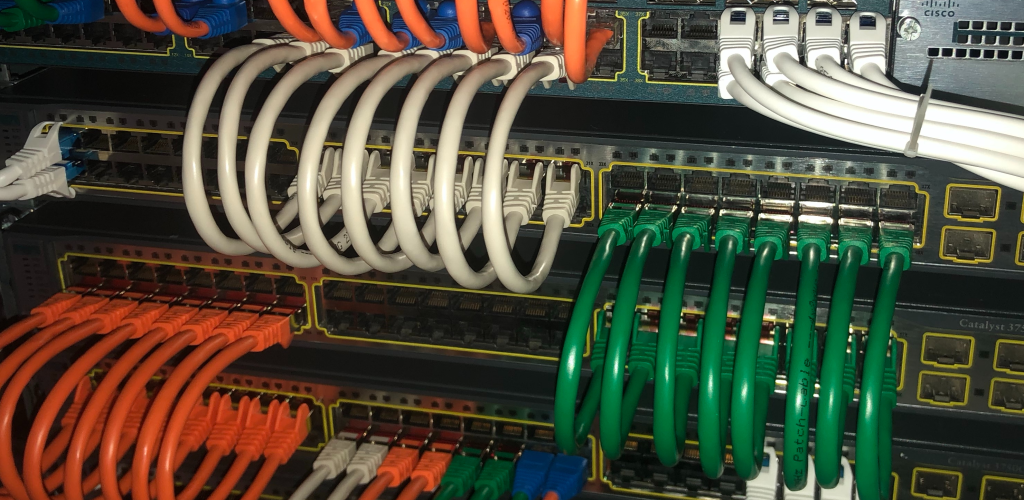

Networks run almost everything now, from sending a simple text message to moving a corporation’s entire data flow. Cisco sits near the center of that infrastructure, a tech company whose hardware and software keep many of these networks running. Its work on networking automation, APIs (Application Programming Interfaces), and programmability is changing how enterprises manage their networks. Here is how it fits together.
The Basics: What is Enterprise Networking Automation?
Imagine you’re in charge of organizing a huge library. Checking out books, tracking returns, and organizing shelves manually would take forever. Now, picture an advanced system that does most of this for you with just a few clicks. Networking automation is like that, but for computer networks. It uses software to manage, configure, test, and operate network devices automatically.
For large enterprises, manually managing network devices (like routers, switches, and firewalls) is slow, prone to errors, and hard to scale. Networking automation lets IT teams streamline these processes, saving time and reducing mistakes. Cisco builds many of the tools that make this possible.
Cisco and Networking Automation: The Big Picture
Cisco has a large hand in networking automation. It has developed tools and technologies that help companies automate their network processes. Instead of relying on IT professionals to handle each network device manually, Cisco’s solutions enable greater efficiency and reliability.
Cisco’s automation tools, such as DNA Center and Application Centric Infrastructure (ACI), allow enterprises to manage complex networks with less effort. With these platforms, network administrators can automate routine tasks, cut time spent on maintenance, and improve network performance.
APIs: How Systems Talk to Each Other
So, what exactly are APIs? Imagine you have two different programs or systems that need to communicate. APIs are like translators. They help these systems talk to each other and share information. In networking, APIs let different network devices and software applications interact smoothly.
Cisco uses APIs extensively in their network automation tools. Say you have a mix of Cisco routers, switches, and firewalls in your network. APIs help these different devices work together smoothly. Instead of configuring each device manually, you can use APIs to automate the process, so your network runs more efficiently.
Programmability: Customizing Your Network
Programmability is another key feature that Cisco offers in its networking solutions. It’s like having a universal remote control for your network. With programmability, network administrators can customize how their network devices behave, making them adaptable to specific needs.
Think of Cisco’s programmability tools like LEGO blocks. You can build whatever you need, whether that’s a simple structure or a complex design. In the same way, network engineers can build custom solutions to tackle unique challenges using Cisco’s programmability features. This flexibility lets businesses scale and adapt their networks quickly, especially when facing new demands or growing infrastructure.
Cisco’s Flagship Products: DNA Center and ACI
Two of Cisco’s standout products in networking automation are DNA Center and Application Centric Infrastructure (ACI).
Cisco DNA Center: Think of DNA Center as the brain of your network. It provides a centralized platform to manage, automate, and analyze your network. With DNA Center, network administrators can automate routine tasks like device configurations and updates, reducing the time and effort required. It also helps predict network issues before they happen, allowing proactive management.
Cisco ACI: Application Centric Infrastructure focuses on simplifying data center operations. ACI automates complex processes and provides a unified policy model that connects applications to the network. This makes it easier to manage workloads and helps performance and security for the entire system.
The Future of Networking Automation: Self-Healing and Smart Networks
Looking ahead, enterprise networking is heading toward even more automation, greater reliance on APIs, and advanced programmability. Imagine networks that can self-heal, meaning they can detect and fix problems automatically without human intervention. These networks will likely become smarter, adjusting in real time to meet the needs of users and applications. Cisco is already building toward this.
By using automation and programmability, Cisco works to keep networks running efficiently today while preparing them for the demands of tomorrow.
What This Means If You’re Starting Out
Cisco’s role in enterprise networking automation is a big one. By using APIs and programmability, Cisco helps businesses automate network management, saving time, reducing errors, and keeping networks running smoothly. Its flagship products like DNA Center and ACI make it easier for companies to adapt and scale their networks as demands change.
For high school students interested in computer science or IT, learning about networking, APIs, and programmability opens up a promising path. As more devices and services come online, skills in these areas will keep being in demand, and network automation is a good place to start.

Senior Network Engineer | CCNP Enterprise | CCIE Candidate
Trave Hurd is a senior network engineer with over a decade of experience designing and managing enterprise Cisco environments. Holding multiple Cisco and industry certifications, he writes about the full arc of a networking career, from passing your first exam to building the skills that get you to the top of the field.